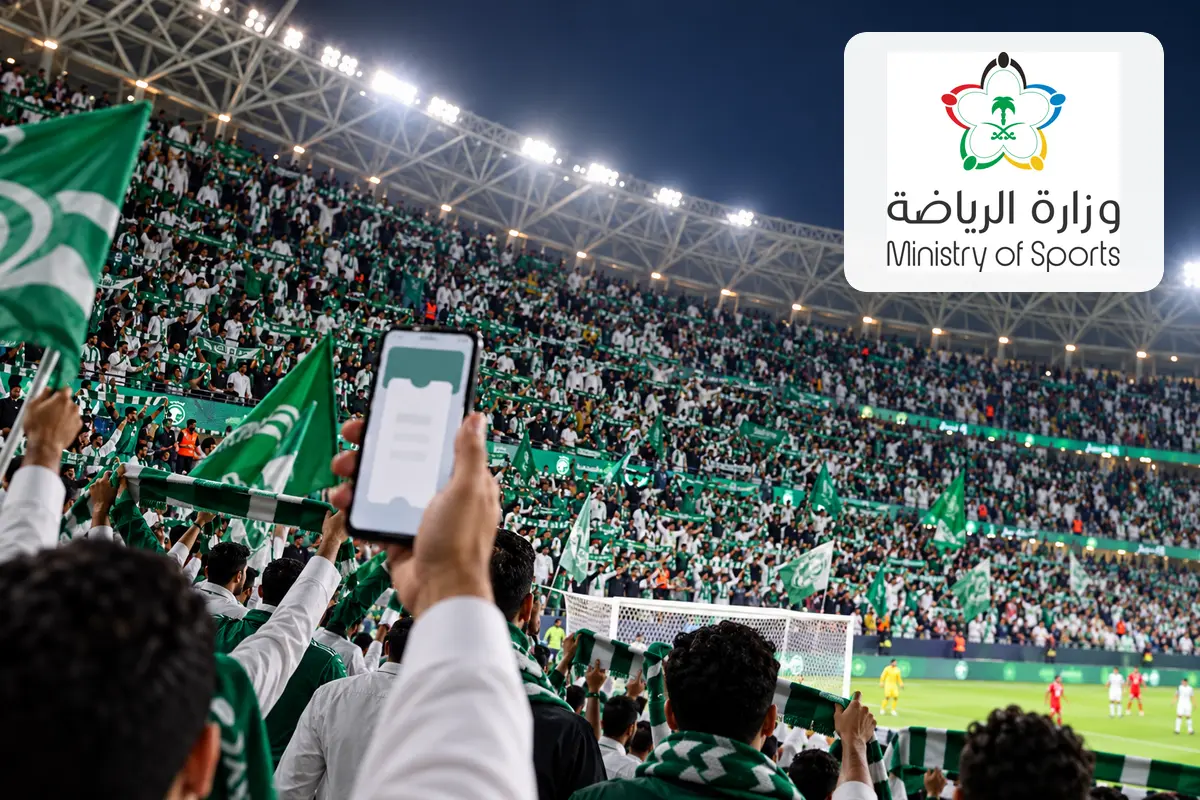
What changed on 26 October 2026
Saudi Arabia's Ministry of Sport issued rules governing the sale and resale of tickets for sports competitions and events on 26 October 2026. The official Saudi Press Agency report says sales and resale are restricted to event organizers and platforms accredited by the Ministry. The purpose is to reduce unauthorized trading, improve oversight and protect spectators.
The Ministry said its ticketing-platform accreditation service will open through the Riyadhi Platform on 15 November 2026. Platforms already operating in the market were given 90 days from the date the rules were issued to align with the approved technical and regulatory requirements. Those dates describe the accreditation rollout and transition period; they do not make an unapproved seller safe during the transition.
Check these six points before buying
A platform's familiar name or a polished advertisement is not enough. The useful checks are the organizer's official link, the platform's accreditation status, clear terms and a payment record that matches the order.
Ticket quantity limits may apply to individual buyers. The regulations also prohibit automated software and multiple accounts used to bypass purchase limits. Do not pay a third party who claims to have defeated the queue or reserved extra stock through an unofficial method.
- 1
Confirm the seller
Start from the event organizer's official website or verified account and follow its ticket link. Once the Ministry's accreditation service is live, use the official route to confirm platform status rather than trusting a badge shown by the seller.
- 2
Read the complete price
Check the ticket category, face price, service fee, commission and final amount before authorizing payment. The new rules require price and fee transparency and prohibit hidden fees and misleading pricing.
- 3
Read entry conditions
Confirm the event, date, venue, seat or zone, age conditions, permitted entry time and any identity requirement. A screenshot of a ticket is not proof that it can be transferred or used by another person.
- 4
Check cancellation and refund terms
Save the policy that applies if the event is postponed, cancelled, moved or if the buyer requests cancellation. The seller should provide clear procedures for complaints, cancellation and refunds.
- 5
Protect your account and payment
Use the platform's normal checkout, verify the domain and never share a one-time password or approve a banking request for a stranger. Avoid payment to a personal account advertised in a comment or direct message.
- 6
Keep a small evidence file
Retain the order page, receipt, ticket terms, support messages and complaint reference. Hide the QR code, barcode and personal details if you need to share a screenshot with support.
How resale and transfer should work
The rules do not create a general right to resell any ticket anywhere. Resale is limited to the event organizer or a Ministry-accredited platform. Before listing or buying a resale ticket, open the original order and check whether the event provides an official transfer or resale function and what conditions apply.
Tickets may be linked to the buyer's identity, and platforms may enforce individual purchase limits. A seller should not simply send a screenshot, cropped email or copied QR code. If the official system does not provide a transfer route, treat the ticket as non-transferable unless the organizer confirms otherwise in writing.
Avoid offers through social-media comments, messaging groups and unapproved accounts. Unauthorized trading can leave the buyer with a duplicated, cancelled or identity-mismatched ticket and no reliable complaint record.
What the approved platform must make clear
The Ministry's official announcement says approved platforms must disclose ticket categories, prices, fees and commissions, usage conditions, and cancellation, refund and compensation policies. Hidden fees and misleading pricing are prohibited. Variable pricing may be used only within the regulated framework and should be explained before payment.
Platforms are also expected to protect customer data, meet cybersecurity requirements, cope with high-demand periods and integrate with venue entry systems. For buyers, the practical signs are a stable checkout, clear support route, privacy information and an order record that can be retrieved after payment.
Do not upload an Iqama, passport or selfie merely because an unofficial seller asks for it. Provide identity information only through the organizer's or accredited platform's secure process when the event terms require it.
What to do if the ticket or refund has a problem
First, use the platform's published complaint or support channel and describe one specific result you need: a valid ticket, a corrected identity detail, a cancellation confirmation or a refund. Include the order number and date, but mask payment-card details and do not send an OTP.
If the issue involves an event organizer, contact the organizer through its official channel and keep the case reference. Record the advertised terms as they appeared when you bought the ticket. If a platform claims accreditation, verify that status through the Ministry's official service when available and report a false claim through the responsible official channel.
A complaint does not guarantee a refund, because the outcome depends on the event terms and what happened. However, clear evidence makes it easier to distinguish an unauthorized sale, a technical failure, a cancelled event and a buyer-requested cancellation.
Common questions about the new ticket rules
Can I buy a sports ticket from a social-media seller? The safer answer is no unless the account belongs to the event organizer or directs you to a Ministry-accredited platform. A personal transfer outside the approved route does not provide the protections described in the rules.
Can I resell a ticket I cannot use? Only through the organizer's or an accredited platform's permitted resale or transfer process. Check the event terms; do not assume that possession of a QR code gives you a right to resell it.
Are all existing platforms automatically accredited until the 90-day period ends? The official report says existing platforms have 90 days to comply; it does not say every platform is automatically approved. Confirm status through official channels as the accreditation service becomes available.
What starts on 15 November 2026? The Ministry announced that the ticketing-platform accreditation service will launch through the Riyadhi Platform on that date. It is primarily relevant to platform approval; buyers should continue to use organizer-linked and officially verified sellers.
Recheck before a major event
Ticketing rules, platform accreditation and event-specific terms can change. Before paying for an expensive or high-demand event, review the organizer's current ticket page and the Ministry of Sport's latest guidance. This article was verified on 28 October 2026 and is scheduled for a 30-day factual review.
For a broader event-planning checklist, see our Riyadh Season 2026 guide. Its advice to confirm live dates, ticket conditions and entry rules also applies to other Saudi events.