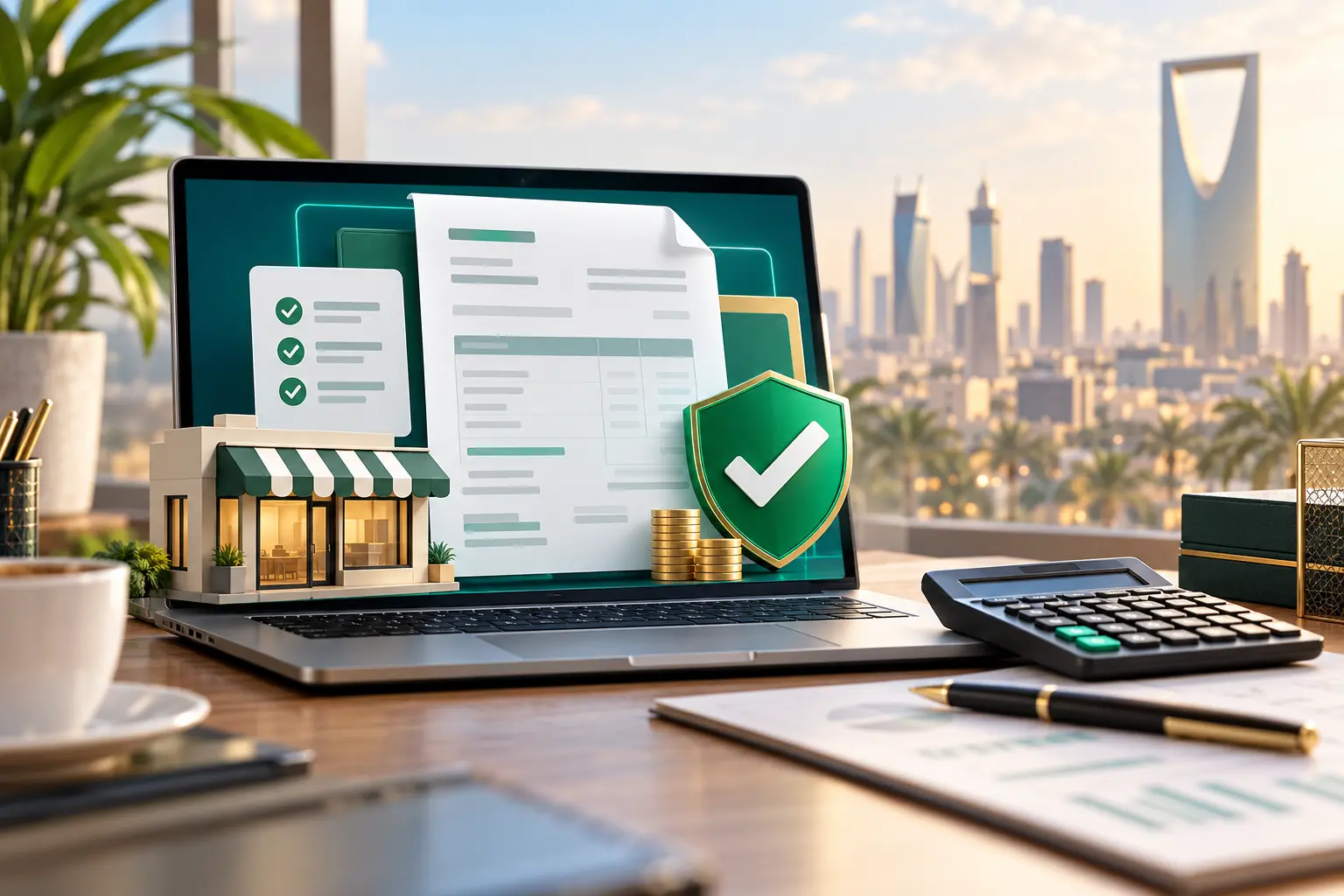
Spot benchmark versus what you pay in a Saudi gold souq
Expatriates checking gold or silver prices in Riyadh, Jeddah, Dammam or across the Gulf often notice a clear gap between the live per-gram price on a screen and the final amount quoted at a jewellery counter. That difference is not an error in the spot feed—it reflects two different stages of the market.
The international spot price (quoted in US Dollars per troy ounce for XAU gold and XAG silver, and converted to Saudi Riyals using the official SAMA parity of 3.75 SAR per USD or daily FX rates) measures raw wholesale metal. You can check the live SAR spot reference and karat equivalents at any time in the LifeinGulf Gold and Silver Spot Price Converter (/tools/gold-silver-prices) or on our Gulf Rates Hub (/rates). A retail shop price starts with that metal value and adds assay/bar premiums, workmanship (making charges) and applicable Value Added Tax (VAT).
How troy ounces, grams and gold karats are calculated
Precious metals are traded internationally by the troy ounce, which equals exactly 31.1035 grams—heavier than a regular 28.35-gram kitchen ounce. To find the intrinsic 24K per-gram benchmark in SAR, divide the USD troy-ounce spot price by 31.1035 and multiply by the SAR exchange rate.
Because pure 24K gold is soft, most jewellery sold in Saudi Arabia and the Gulf is alloyed with harder metals. Intrinsic metal value scales by karat proportion: 24K represents 99.9% pure gold (24/24); 22K equals 91.67% pure gold (22/24, widely used in Gulf and South Asian bridal sets); 21K equals 87.5% pure gold (21/24, the traditional standard in Saudi gold souqs); and 18K equals 75.0% pure gold (18/24, common in gem-set and contemporary pieces). Multiplying the per-gram karat rate by the item’s gram weight gives the raw metal value only.
ZATCA VAT rules: 0% on 99%+ investment bullion vs 15% on jewellery
The Zakat, Tax and Customs Authority (ZATCA) applies two completely different Value Added Tax treatments depending on purity, physical form and investment character:
Zero-rated investment bullion (0% VAT): Gold, silver and platinum are subject to 0% VAT only when their purity is at least 99% (990 parts per thousand or higher, such as 999.9 fine 24K gold bars or 999 fine silver ingots) AND they are tradable in the global bullion market as bars, ingots, plates, wafers or recognized investment coins. When you buy a qualifying certified 24K bullion bar from a VAT-registered dealer, no 15% VAT is added to the bullion value.
Standard-rated jewellery and lower-purity items (15% VAT): All gold and silver jewellery, rings, necklaces, bangles and worked ornaments—along with any metal below 99% purity (such as 22K, 21K or 18K items)—are taxed at the standard 15% Saudi VAT rate. Even if a bracelet or necklace is crafted from 24K gold, if it is sold as jewellery rather than tradable investment bullion, the 15% VAT rate applies.
How making charges (musana’iya) and VAT work on a retail invoice
When buying jewellery, shops charge a manufacturing or workmanship fee known locally as musana’iya (making charge), quoted either per gram or as a flat piece charge depending on whether the item is machine-made, cast, or hand-crafted and imported.
For standard-rated jewellery, the 15% VAT applies to the total taxable supply—meaning both the intrinsic gold/silver value AND the making charge. For example, if a 21K gold necklace has SAR 4,000 in gold value and SAR 600 in making charges, the pre-tax subtotal is SAR 4,600, and 15% VAT (SAR 690) brings the final invoice to SAR 5,290. Ask the seller to itemize weight, karat purity, per-gram gold price, making charges and VAT separately on the invoice so you can compare quotes across shops.
Five-step checklist before paying a gold or silver dealer
Use this practical sequence whenever you buy bullion or jewellery in Saudi Arabia:
- 1
Check the live SAR spot reference first
Open the LifeinGulf Gold and Silver Prices tool (/tools/gold-silver-prices) to see the current 24K, 22K, 21K and 18K metal-only value per gram in SAR with its UTC timestamp.
- 2
Inspect the purity hallmark and weigh the item in view
Confirm the stamped fineness mark (999.9 for 24K bullion, 916 for 22K, 875 for 21K, or 750 for 18K) and verify the exact weight in grams on the shop’s calibrated scale.
- 3
Separate metal value from making charges
Multiply the gram weight by the current karat spot benchmark so you can see exactly how much the seller is charging for workmanship or bar premium.
- 4
Confirm the correct ZATCA VAT rate (0% vs 15%)
Ensure that qualifying 99%+ investment bars are not mistakenly charged 15% jewellery VAT, and that jewellery invoices show the 15% VAT line clearly.
- 5
Verify the seller’s VAT registration on ZATCA
Before paying VAT, check the merchant’s 15-digit Tax Identification Number (starting and ending with 3) and QR-coded tax invoice using ZATCA’s official VAT registration verification service.