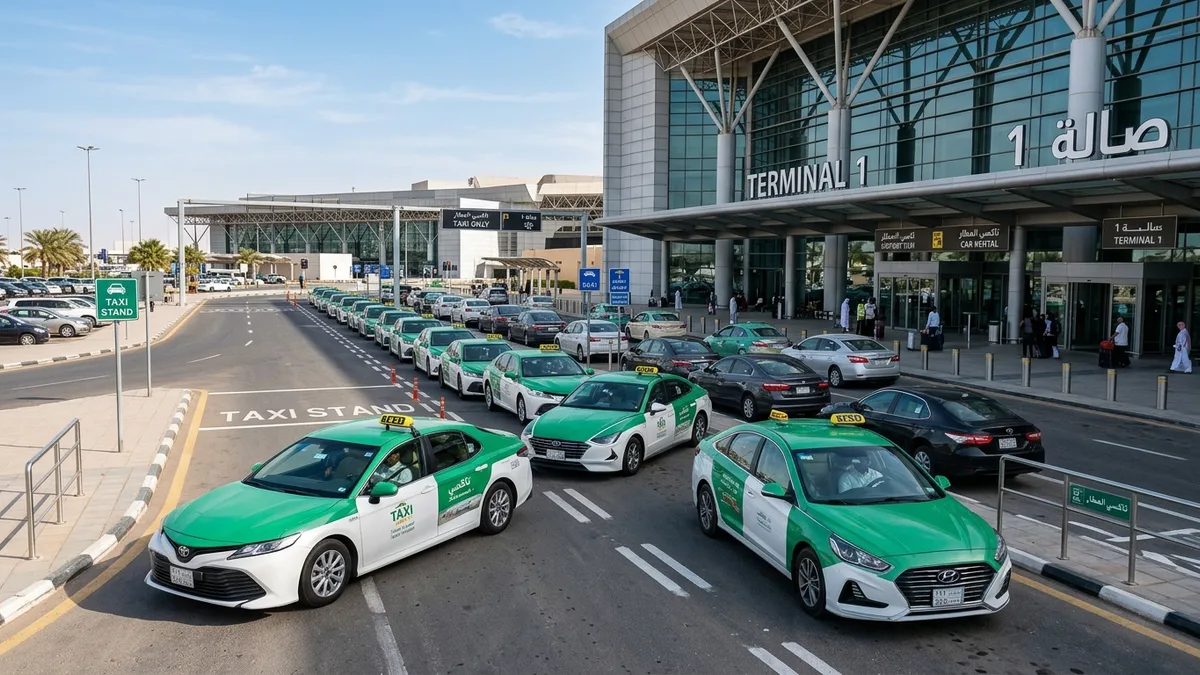
TGA extension of vehicle operating age to June 2027
In a major support measure for the commercial transport sector, the Transport General Authority (TGA) officially extended the operational lifespan of vehicles engaged in public taxi services, family transport, and car rental activities.
Under the directive, commercial passenger vehicles whose permitted operational lifespans were slated to expire on 31 December 2026 have been granted a six-month statutory extension until 30 June 2027.
Economic rationale and relief for transport operators
Saudi transport regulations enforce strict ceilings on the operational age of commercial passenger vehicles (typically 5 years for car rentals and taxis) to maintain public safety and service quality.
The decision to extend the lifespan to mid-2027 provides vital operational breathing room for fleet companies, individual drivers, and rental agencies, enabling businesses to amortize capital costs and align fleet turnover with modern green vehicle standards.
Mandatory technical conditions to qualify for the extension
The extension is not unconditional. Commercial vehicles must maintain active technical compliance throughout the extended period:
1. Periodic Technical Inspection (MVPI / Fahes): Vehicles must hold a valid technical inspection certificate confirming mechanical, brake, and chassis roadworthiness.
2. TGA Commercial Operating Card: Fleet operators must renew their digital operating cards (*Bitakat Al-Tashgheel*) on the TGA electronic portal.
3. Wasl Platform Linkage: Commercial taxis and rental cars must remain synchronized with the Wasl tracking network.
4. Comprehensive Commercial Insurance: Vehicles must maintain valid insurance coverage protecting passengers and third parties.
Enforcement and operating penalties after June 2027
The TGA has clarified that vehicles remaining in service past the final 30 June 2027 cutoff will be automatically decommissioned from the commercial transport registry.
Operating an over-age commercial vehicle without an active operating card results in automated fines of SAR 5,000 per vehicle and impoundment during road inspection audits.